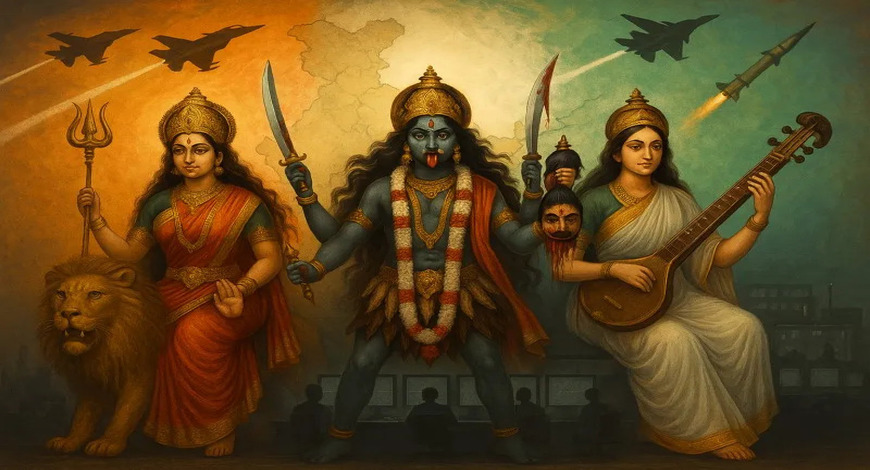
The 9 Avatars of Devi Durga: Their representations and navratri rituals
- June 27, 2025
- 19:48 am
Durga, the invincible mother goddess, is not a singular form but a spectrum of divine energy expressed in nine celestial manifestations. These Avatars of Devi, also known as Navadurga, represent a spiritual journey from the innocent child to the ultimate cosmic force. Each avatar signifies a different facet of feminine power, and each is worshipped with specific rituals during the nine days of Navratri.
Let’s explore the Avatars of Devi Durga, their representations, and the sacred rituals that honor them.
1. Shailaputri – The Daughter of the Mountains
Representation: Shailaputri, meaning “Daughter of the Himalayas”, rides a bull and holds a trident and lotus. She is a symbol of purity and strength. Among the Avatars of Devi, Shailaputri represents the root chakra – grounding and survival. Ritual: Devotees perform Ghatasthapana, the ritualistic installation of the Kalash, on this day. White flowers and cow ghee are offered to please the goddess.2. Brahmacharini – The Ascetic Goddess
Representation: Clad in white, holding a rosary and water pot, Brahmacharini embodies austerity and devotion. This avatar of Devi teaches the power of self-discipline and represents the Swadhisthana chakra. Ritual: Devotees observe fasting and offer sugar to seek her blessings for wisdom and inner strength.3. Chandraghanta – The Warrior of Peace
Representation: Adorned with a crescent moon, she rides a tiger and holds various weapons. Chandraghanta exudes fearlessness. Among the Avatars of Devi, Chandraghanta dispels negative energies and brings peace. Ritual: Offerings of milk, sweets, and kheer are made. Devotees pray for courage and harmony.4. Kushmanda – The Cosmic Creator
Representation: Believed to have created the universe with her smile, Kushmanda rides a lion and holds eight weapons. This avatar is associated with the solar plexus chakra and illuminates the inner light within all. Ritual: Pumpkin (Kushmanda) and fruits are offered to the goddess. Devotees seek good health and vitality.5. Skandamata – The Nurturing Mother
Representation: Holding baby Kartikeya (Skanda) in her lap, she sits on a lion and embodies motherhood and compassion. Among the nurturing Avatars of Devi, Skandamata blesses devotees with wisdom and joy. Ritual: Devotees offer bananas and chant her name for prosperity and maternal blessings.6. Katyayani – The Fierce Warrior
Representation: Born to sage Katyayana, this form of Durga is the destroyer of evil, especially Mahishasura. Katyayani is one of the most revered Avatars of Devi, often worshipped for marital bliss. Ritual: Honey is offered as prasad. Devotees pray for protection and a righteous life.7. Kalaratri – The Dark Night of the Soul
Representation: Fierce and dark-skinned, she rides a donkey and is a remover of ignorance and darkness. Though fearsome, this avatar of Devi brings transformation and protection from evil forces. Rituals: Devotees light lamps with sesame oil and offer jaggery. This day is associated with spiritual liberation.8. Mahagauri – The Radiant Beauty
Representation: Dressed in white, she symbolizes serenity and purity, riding a bull and holding a trident and tambourine. Mahagauri represents the purification of the soul, a gentle yet powerful Avatar of Devi. Rituals: Coconut and sweets are offered. Devotees chant mantras to gain peace and clarity.9. Siddhidatri – The Granter of Powers
Representation: Sitting on a lotus, she blesses devotees with siddhis (spiritual powers) and perfection. The final among the Avatars of Devi, Siddhidatri is the culmination of divine feminine energy, the union of Shakti and Shiva. Rituals: Devotees offer sesame seeds and chant powerful hymns to invoke divine grace. Each of the Avatars of Devi is a mirror to our own journey – from fear to courage, ignorance to wisdom, limitation to liberation. Worshipping these nine manifestations during Navratri is not just about reverence; it’s about aligning ourselves with the timeless, transformative force of Shakti. Whether you are drawn to the serene Mahagauri or the fierce Kalaratri, each avatar offers you a key to unlock your own inner power. Celebrate the Avatars of Devi. Awaken the Devi within.Frequently asked questions on the Nine Avatars of Devi:
Q1. What does each form of Devi represent?
- Each avatar symbolizes a unique divine quality:
- Shailaputri – Rooted strength
- Brahmacharini – Discipline and devotion
- Chandraghanta – Courage and grace
- Kushmanda – Creation and inner light
- Skandamata – Motherhood and nourishment
- Katyayani – Power and justice
- Kalaratri – Destruction of darkness
- Mahagauri – Purity and peace
- Siddhidatri – Fulfillment and wisdom
Q2. Are these nine forms different goddesses or one Devi in many forms?
A: They are all manifestations of the one supreme goddess, Durga, taking on different roles and attributes to guide and empower her devotees. These Avatars of Devi reflect various aspects of her cosmic power (Shakti).Q3. How are the Nine Avatars of Devi worshipped during Navratri?
A: Each day of Navratri is dedicated to one form of Durga, with special colors, offerings, prayers, and rituals. Devotees often wear the day’s color and recite the specific mantra or stotra for that form.Q4. Can I worship all nine forms of Devi at once?
A: Yes. While each form is honored individually on specific days, many devotees also worship all Avatars of Devi collectively in daily Navratri prayers or in temples with multi-idol arrangements.Q5. Is Navadurga worship limited to Navratri only?
A: No. While Navratri is the most popular time, you can invoke the Avatars of Devi anytime for strength, protection, or guidance. Many sadhaks incorporate her forms in daily spiritual practice.Q6. Are the Nine Forms of Durga related to chakras or inner transformation?
A: Yes. In some yogic and tantric traditions, each form is associated with a specific chakra, helping the devotee on their inner spiritual journey – from grounding (Shailaputri) to liberation (Siddhidatri).Q7. What is the significance of the colors associated with each avatar?
A: Each avatar is linked to a specific color that reflects her energy – like red for power, white for purity, or blue for transformation. Devotees wear these colors to harmonize with the Avatars of Devi during Navratri.


