When Words Distort Inheritance
Few terms are as misunderstood in the Indian knowledge landscape as the word mythology. In common speech, “myth” is often used to mean something imaginary or false.
Ancient Indian narratives were vessels of layered knowledge transmitted across generations through sound, memory, ritual, and metaphor.
Understanding Terms: History, Itihasa, and Myth
- History records events in linear chronology.
- Itihasa means “thus indeed it happened,” preserving truth through symbolic narrative.
- Myth refers to foundational truths, not fabricated fantasy.
Ancient knowledge systems are symbolic, philosophical, and experiential.
1. Interpreter, Not Inventor
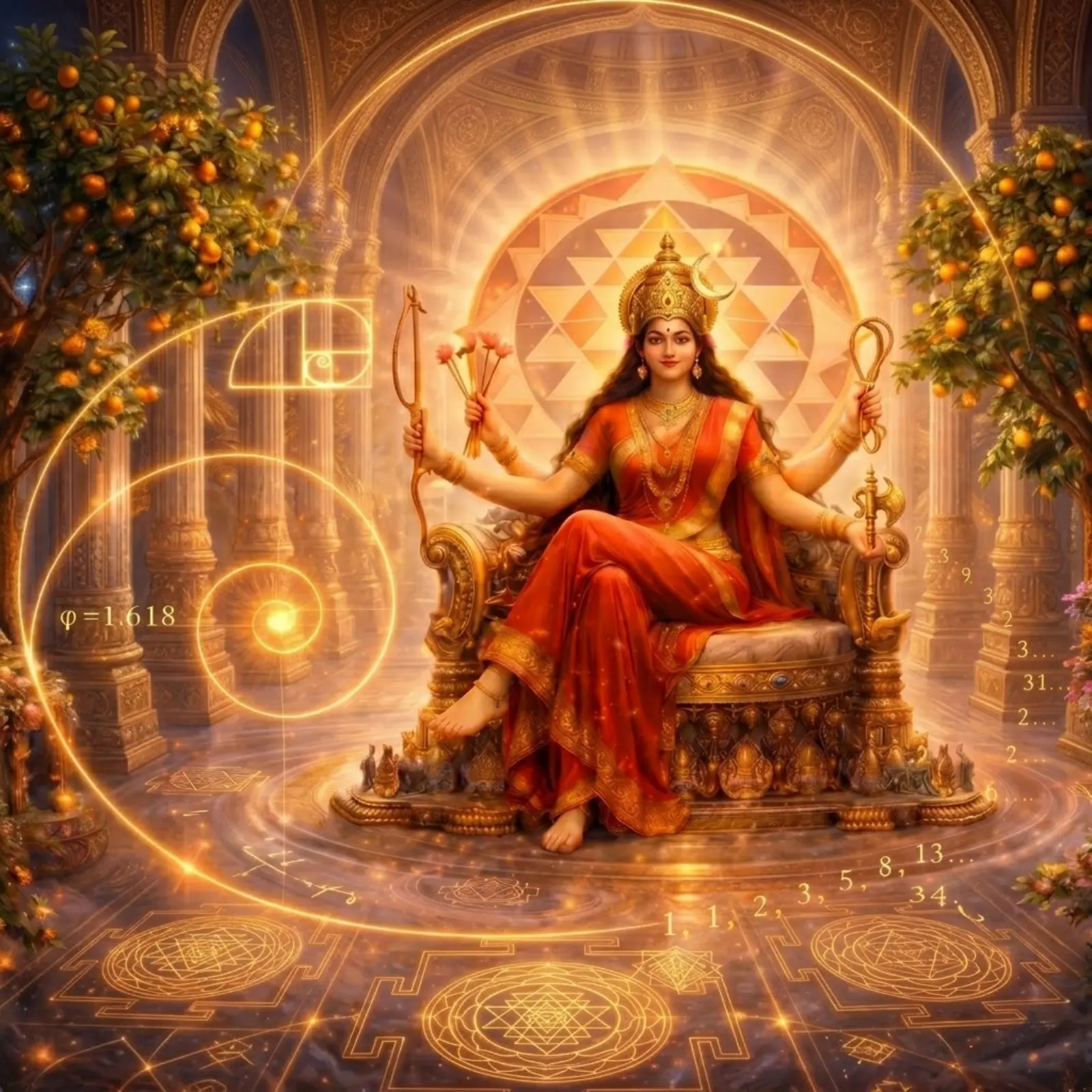
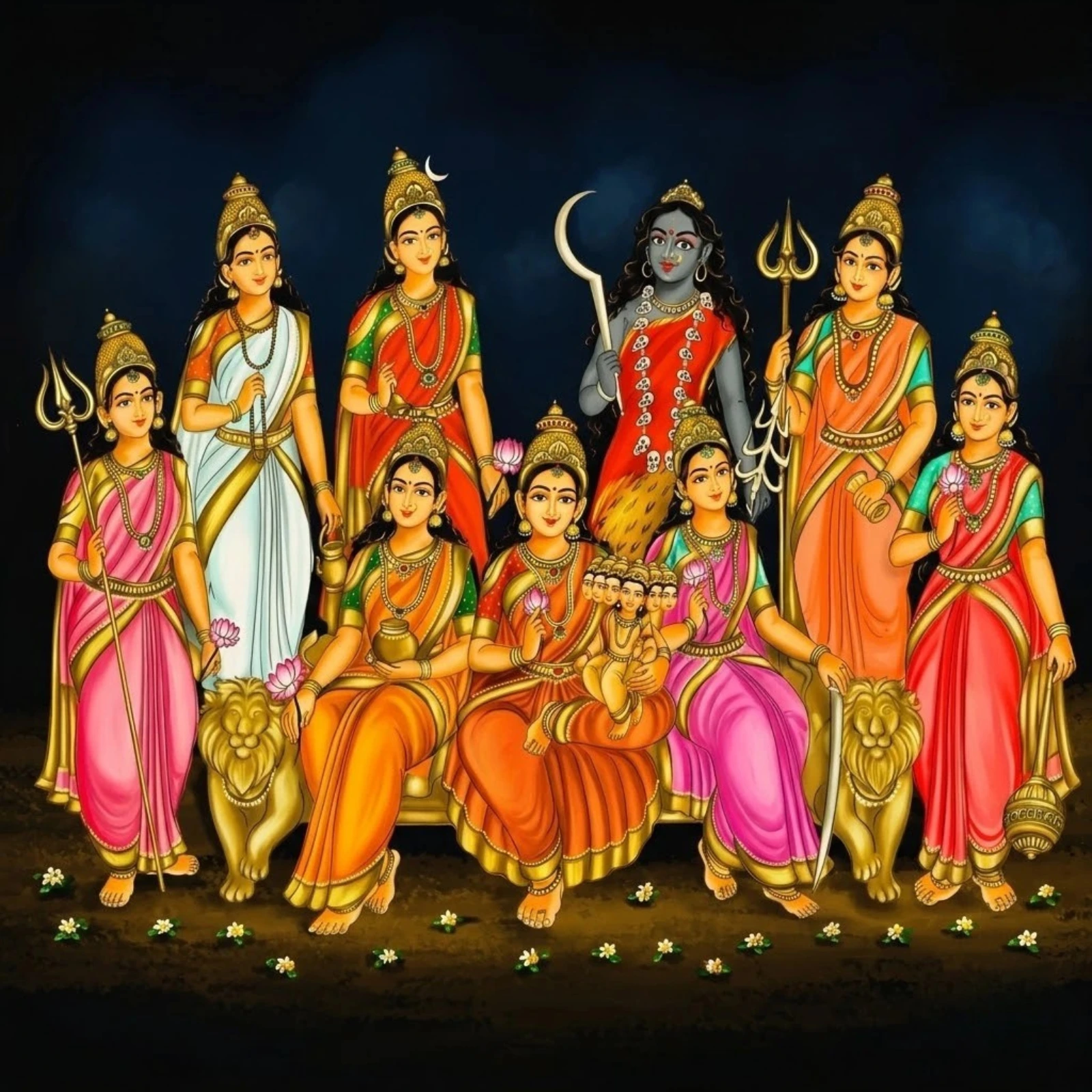
A mythology writer’s responsibility is to illuminate meaning, not manufacture it. Ancient texts often speak in metaphor, paradox, and allegory. The writer’s task is to translate those layers into accessible language without altering their essence. Clarity is preservation. For example, if a text describes a deity with many arms, the writer explains that multiple arms symbolize multiple capacities or powers, not that the figure necessarily was a biological anomaly.
2. Guardian of Context
Symbols detached from their philosophical, scientific, or ritual context can be misunderstood. A serpent, a river, a weapon, or a celestial event often represents psychological states, cosmic principles, or metaphysical laws. Without context, symbols become caricatures. With context, they become keys. For example, a serpent around a deity’s neck is explained as mastery over primal energy or fear or ecological inclusion, not reduced to an aesthetic accessory.
3. Bridge Between Eras
Ancient traditions were transmitted orally for centuries. Their structure relied on rhythm, repetition, and imagery to aid memory. Modern audiences, however, are conditioned for linear explanation. A mythology writer bridges these worlds, honoring ancient modes of expression while presenting them in forms contemporary readers can absorb. For example, when a hymn repeats a name hundreds of times, the writer explains the meditative neuroscience of repetition instead of trimming it as “redundant.”
Two Core Ethical Duties
Duty One – Ensure Clarity So Wisdom Is Seen as Wisdom
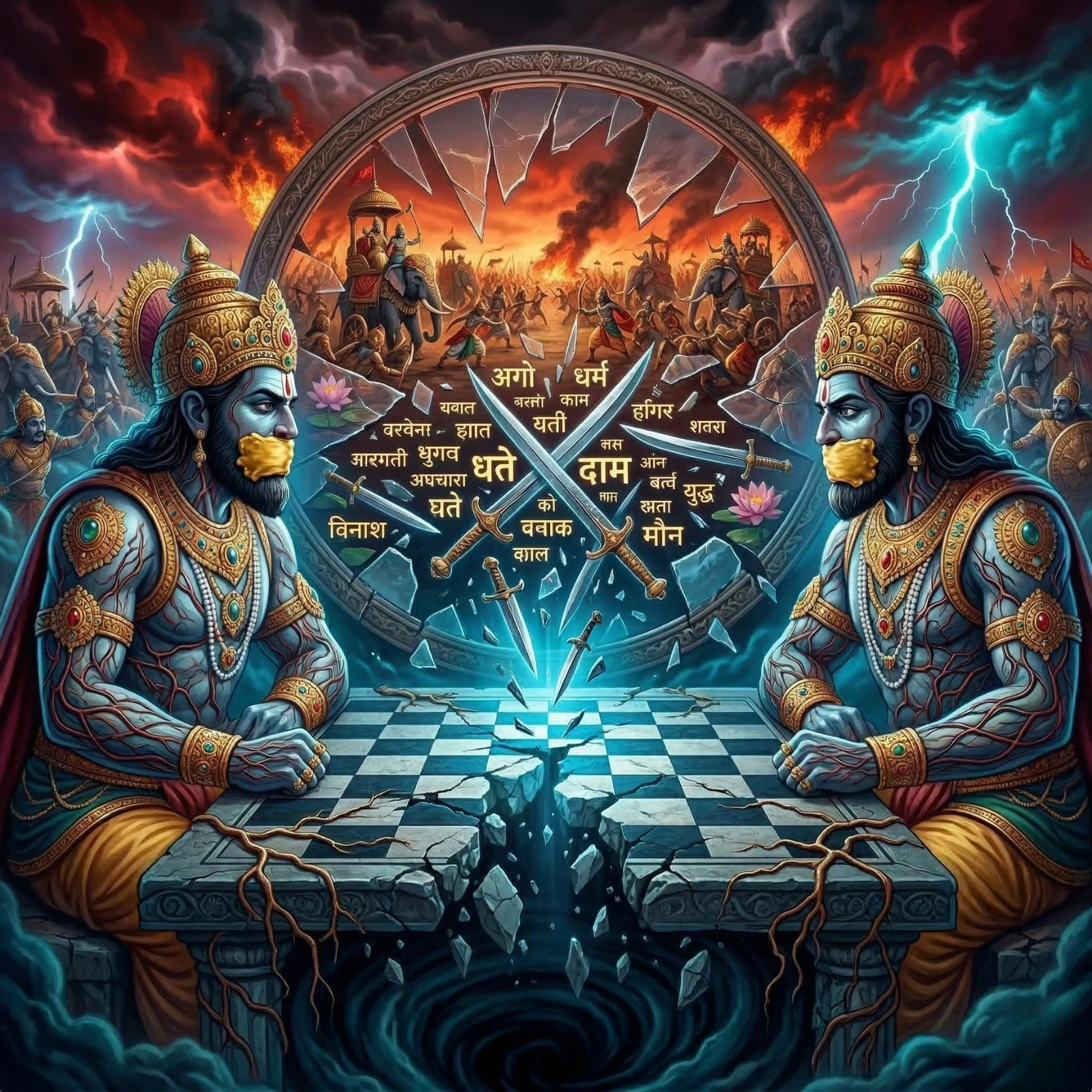
When explanations are careless or oversimplified, readers assume the source itself is confusing. This is not a flaw in the original knowledge but in its presentation.
Responsible writing must therefore
- Distinguish interpretation from source. For example, the text states that the sage entered fire; this may symbolically indicate spiritual transformation
- Clarify symbolism rather than literalize it. For example, instead of writing “the sun god rides a chariot across the sky,” explain that the chariot symbolizes cyclical time and cosmic order.
- Acknowledge multiple interpretations when they exist. For example, some traditions interpret this episode as a historical event; others read it as an allegory for inner awakening.
- guide readers without imposing conclusions. For example, this episode can be read as a metaphor for ego dissolution, though readers may also see it as a devotional miracle.
Confusion leads to dismissal, and clarity leads to reverence.
Duty Two – Exercise Responsibility in Fictionalization
Creative retellings can make ancient narratives engaging, but imagination must never overwrite inheritance.
If fiction is added:
- it must be clearly identified as interpretation
- it must not contradict philosophical foundations
- it must not be presented as original tradition
Cultural memory is delicate. What is written today may be assumed authentic centuries later. A mythology writer must therefore practice restraint as consciously as creativity.
What Serious Mythology Writers Must Study
Storytelling alone is not enough. To preserve wisdom responsibly, writers should engage with multiple dimensions of the tradition:
- philosophical frameworks
- symbolism and metaphor systems
- oral storytelling traditions
- regional variations of narratives
- commentarial interpretations
- ritual logic and cosmology
- linguistic nuance (not necessarily fluency, but sensitivity)
Language is only a medium. The goal is not linguistic purity but conceptual integrity. What matters is whether the original insight survives transmission.
The Danger of Irresponsible Retellings
Irresponsible reinterpretations may seem harmless in the moment, but their long-term effects can be profound:
- sacred symbols reduced to entertainment
- philosophical teachings flattened into plot devices
- cultural memory replaced with invented detail
- future generations inheriting distortion instead of knowledge
The Ideal Mythology Writer Archetype
The most trustworthy interpreters of ancient wisdom embody a rare balance of curiosity with discipline, imagination with accountability, devotion with intellectual honesty, and accessibility with depth. Such a writer does not seek to own the tradition but to serve it.
Why This Role Matters Today
We live in an era of instant information and fragmented understanding. Ancient Indian knowledge is gaining global interest, yet much of what circulates online is decontextualized, mistranslated, or oversimplified. Authentic interpreters are needed now more than ever. Voices that can present ancient insights without diluting them and without turning them into a spectacle. If ancient wisdom is a flame, mythology writers are its keepers, not its inventors.
Advanced Perspective: Layers of Transmission
To appreciate the responsibility fully, one must understand that Indian knowledge traditions were never monolithic. They were preserved through multiple channels:
- Revelatory knowledge streams
- Remembered traditions
- Narrative cosmologies
- Philosophical dialogues
- Symbolic storytelling
Each layer served a purpose. Together, they formed a living knowledge ecosystem. Writers who engage with this ecosystem responsibly help sustain continuity between past insight and present understanding.
Frequently Asked Questions
A mythology writer is someone who interprets and preserves ancient symbolic narratives, translating layered knowledge into accessible language without altering the philosophical core of the original tradition. They serve as interpreters, contextual guardians, and bridges between ancient traditions and modern readers, explaining symbolism, clarifying context, and presenting ancient knowledge without distorting its meaning.
Because modern classification systems tend to label symbolic narratives as myths. The issue lies in how the word is understood. If “myth” is taken to mean falsehood, it becomes misleading. If understood as symbolic truth, it can be accurate. In traditional understanding, these narratives preserve philosophical or experiential truth rather than fictional invention. Read our comprehensive guide on the mythology vs myth distinction for deeper clarity.
Not necessarily formal degrees, but disciplined study, cross-referencing of sources, philosophical sensitivity, and intellectual honesty. A mythology writer needs the ability to read symbolically, distinguish between interpretation and original tradition, write with clarity, and practise restraint as consciously as creativity. They must engage with philosophical frameworks, symbolism systems, oral storytelling traditions, regional variations, commentarial interpretations, ritual logic, and linguistic nuance before presenting any interpretation.
Retelling preserves narrative structure. Interpretation preserves meaning. True preservation requires both. A mythology writer engaged in genuine work must convey the story while ensuring its philosophical depth survives transmission—not merely recounting what happened, but illuminating why it was encoded the way it was.
As symbolic repositories of layered psychological, cosmological, ritual, and metaphysical knowledge—not simply as literal historical records or fictional entertainment. Ancient traditions relied on rhythm, repetition, and imagery for oral transmission. Modern readers are conditioned for linear explanation. Mythology writers honour ancient modes of expression while presenting them in forms contemporary readers can absorb. The task is to illuminate meaning, not manufacture it.
The two core duties are clarity and restraint: ensuring wisdom is seen as wisdom and ensuring creative additions are never presented as original tradition. The tradition is not raw material. It is inheritance. A mythology writer owes it accuracy in representation, transparency about interpretation, respect for philosophical foundations, and the discipline to distinguish between what the tradition says and what the writer adds.
The most common mistakes are presenting creative interpretation as authentic tradition, literalising symbolic content, ignoring regional variations, and simplifying complex philosophical teachings into plot devices. The consequences are serious: sacred symbols get reduced to entertainment, philosophical teachings get flattened, cultural memory gets replaced with invented detail, and future generations inherit distortion instead of knowledge. What is written today may be assumed authentic centuries later.
Because ancient Indian knowledge is gaining global interest while much of what circulates online is decontextualised or oversimplified. Authentic mythology writers are needed to present ancient insights without diluting them or turning them into spectacle. The ideal mythology writer balances curiosity with discipline, imagination with accountability, and accessibility with depth, serving the tradition rather than seeking to own it.
A mythology writer is a writer whose primary material is the traditional narratives of a culture or tradition. Among mythology writers, there is a significant spectrum: from popular retellers who make stories accessible to new audiences, to interpreters who read the primary texts and argue for specific philosophical readings, to academics who translate and annotate. The mythology writer who interprets, reads the original sources, and makes the argument for why they matter now occupies a specific position in that spectrum—one that requires a different kind of accountability than writing a novel.
Indian mythology authors range from popular novelists who use mythological settings to writers who interpret and argue from primary texts. The distinction that matters most is between writers who work from popular retellings and those who read primary texts such as the Puranas, the Mahabharata, and the Vedas and build their arguments from there. The latter group is smaller and represents a different kind of engagement with the tradition.
A mythology activist argues not just about what the stories mean, but about what the word “mythology” itself does when applied to living traditions. The activism lies in the insistence that these narratives are not historical curiosities but living philosophical frameworks whose misclassification has consequences for how a culture understands itself. A mythology activist reads the primary texts, makes the interpretive argument, and then makes a second argument: that the category of mythology has been used to diminish traditions that deserve a different kind of engagement.
Mythology writers whose primary engagement is with the tradition itself have a different accountability from fiction writers: accountability to the tradition, to the accuracy of what they are presenting, and to readers who may use their work to understand something real about an existing philosophical and cultural inheritance. A fiction writer’s accountability is primarily to the story being told and to the readers of that story. The two modes can overlap, but they are not the same kind of work.
Continue Your Journey

About the Author
Priyanka Sharma Kaintura
A mythology writer, author, and speaker exploring how ancient texts and modern archaeology inform each other. Her books include Mahadevi: The Unseen Truth Behind Existence and My Jiffies: Narration of Moments, Unadulterated and Unpackaged.