When we ask, “Who is Shiva?”, we often expect an answer in the form of a personality – a god, a figure, a story. But the primary scriptures do not treat Shiva as just an individual being.
In texts like the Shiva Purana, Linga Purana, and Bhagavata Purana, Shiva appears in two distinct ways at once:
- as a deity within stories
- and as a principle that exists beyond them
To understand Shiva clearly, we must hold both.
A System, Not Separate Gods
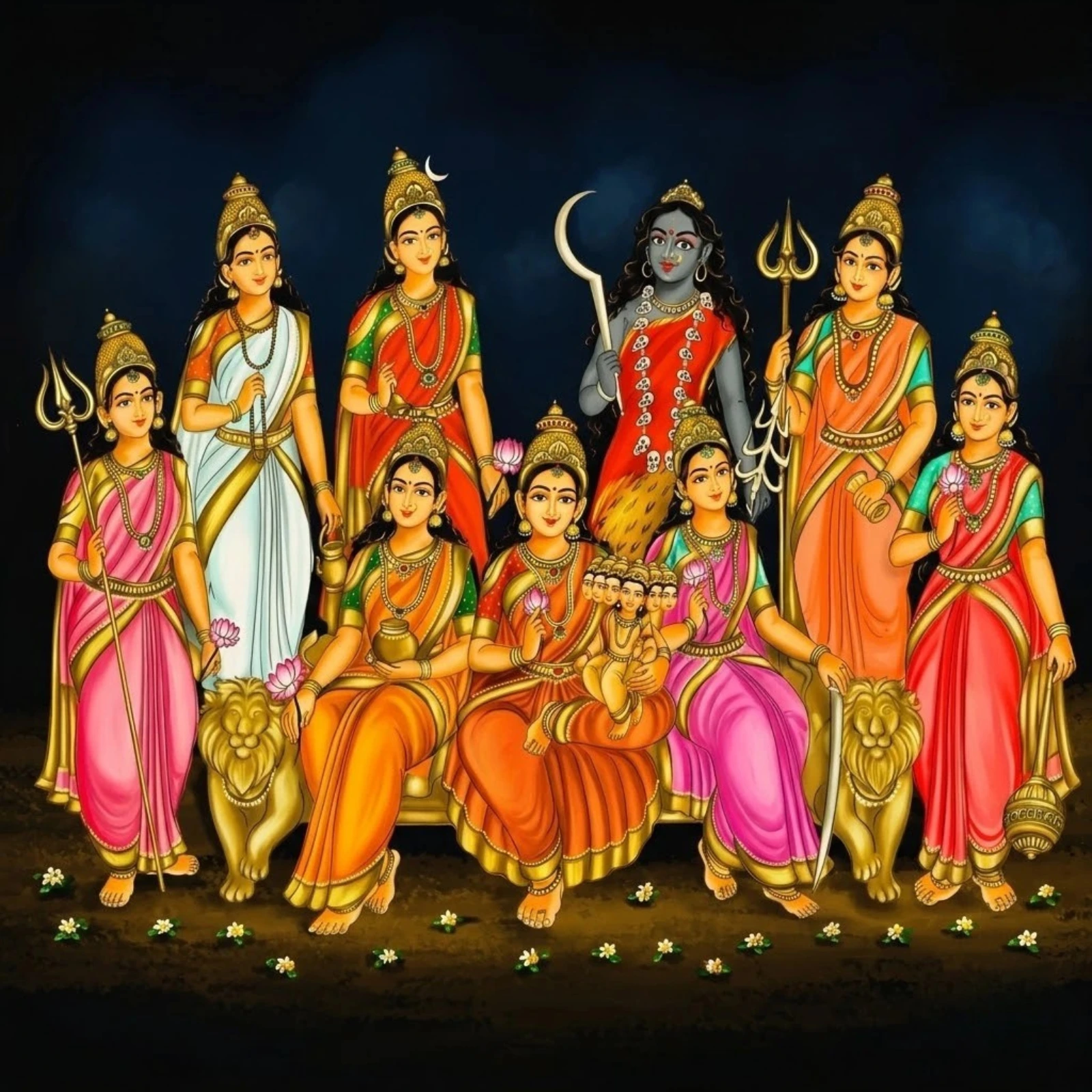
Ancient Indian thought did not view existence as random. It saw it as a system governed by three essential processes – creation, preservation, dissolution.
These are personified as Brahma, Vishnu, and Shiva – not as competing gods, but as functional aspects of the same reality. Anything that exists must first be created. It must then be sustained.
And eventually, it must change form or end.
This is not philosophy alone. It is evident around us. Stars are born, they stabilise, and they collapse.
Cells form, function, and die. Even thoughts arise, stay briefly, and disappear.
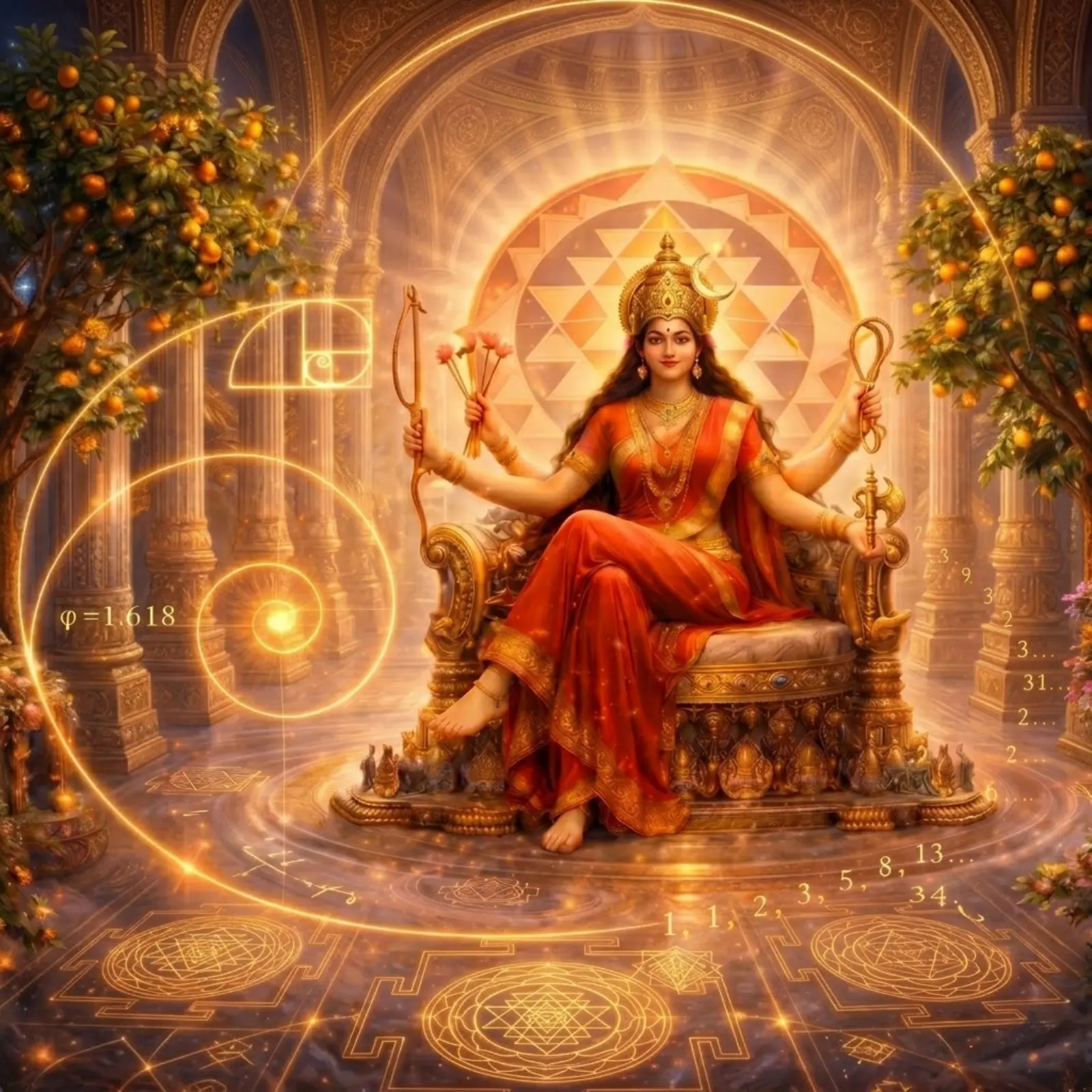
Alongside these three processes is something equally fundamental – energy. What the texts call Shakti.
Shakti is not a separate “goddess” in a limited sense. It is the force that does everything – creation, maintenance, transformation. It is movement itself.
So where does Shiva stand in this system?
Shiva as a Cosmic Principle
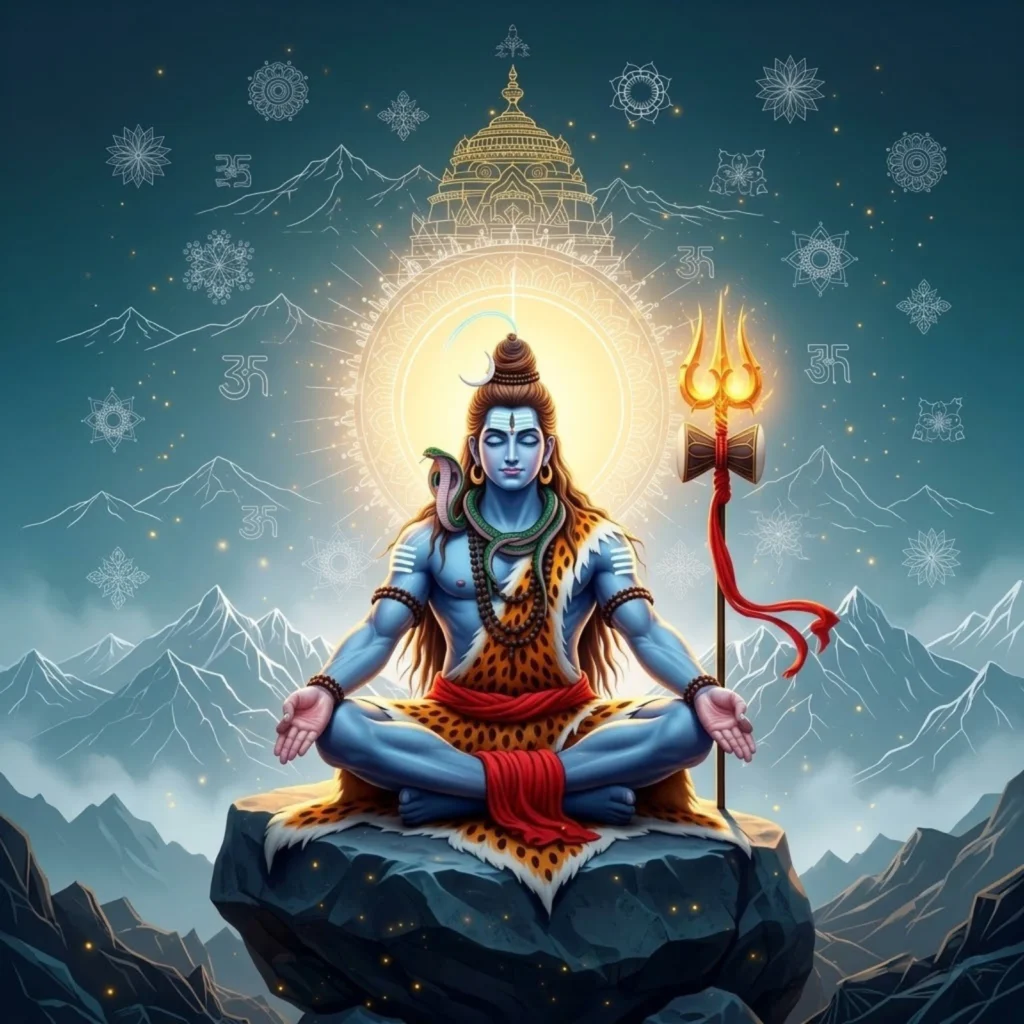
At a deeper level, Shiva is not one more function within the system. He is what is not changing while all functions are taking place. If Shakti is everything that moves, Shiva is that which does not need to move. If Shakti is activity, Shiva is stillness.
In scientific terms, think of this distinction:
- The universe is full of activity – particles, forces, radiation, constant motion.
- Yet all of this happens within underlying fields and laws that do not “participate” in the activity. They enable it.
Shiva is closer to that underlying stillness than to the activity itself.
This is why the Linga Purana describes the linga not as an idol, but as a form without clear beginning or end, a representation of the unbounded. Not just a shape to worship, but a way to indicate something that cannot be fully defined.
Stillness Is Not Inactivity
One of the biggest misconceptions is to equate Shiva with passivity. He is often shown in meditation, unmoving. But this is not inactivity, it is stability. The Isha Upanishad makes a striking statement –
“It moves, and it moves not.” In physics, even what appears still is made of particles in motion. True stillness is not the absence of movement, but the balance of movement. Shiva represents that balance. A state in which change can happen without causing disturbance to the core.
This is why he is also seen as Nataraja – the dancer which is not just a dancing figure but a model of reality – everything in motion, sustained within a stillness that allows it without being broken by it. At first glance, it seems contradictory – stillness and dance. But it is not. The dance represents everything that is happening. The stillness represents that which is not disturbed by it. Both exist simultaneously.
Why Shiva Stands at the Edge
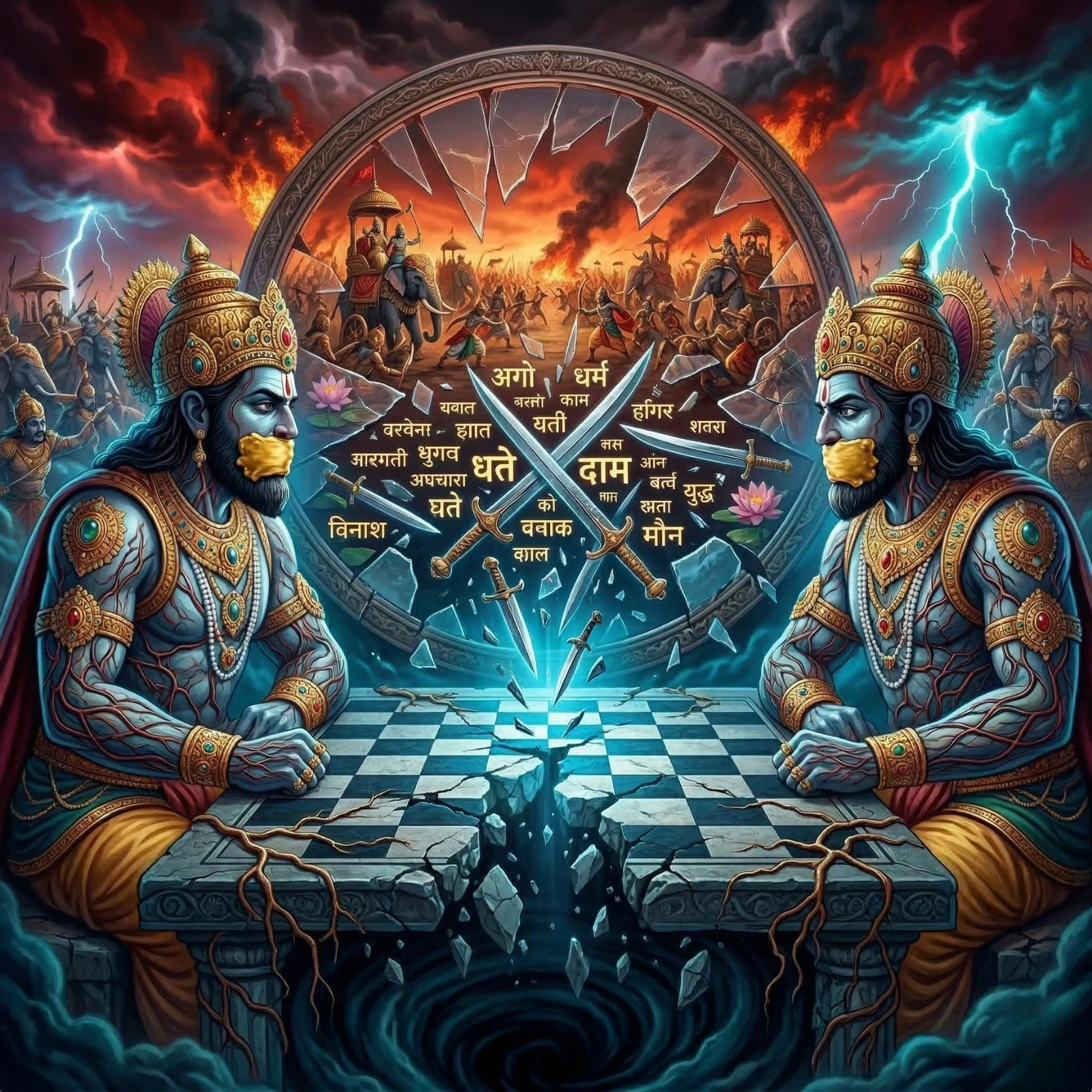
In the Shiva Purana, Shiva is rarely placed within structured spaces. He is not seated in palaces or governing systems. He is found in cremation grounds, in isolation, covered in ash. This is not symbolic exaggeration. A cremation ground is where all identities end. Name, status, body, form, everything reduces to the same state. Shiva’s association with this space indicates something important, that he is not attached to what is temporary.
He is present where change is most visible. In modern terms, this is like studying reality not at its most stable, but at its points of collapse because that is where its true nature is revealed.
Forms of Shiva: Different Windows Into the Same Idea
Because Shiva is not a single-function entity, he is expressed in multiple forms, each highlighting a different aspect:
- Nataraja – the dynamic nature of existence
- Ardhanarishvara – the inseparability of stillness and energy
- Dakshinamurti – knowledge transmitted through silence, not sermons
- Bhairava – the force that removes illusion without negotiation
- Pashupati – awareness that observes all life without controlling it
These are not different personalities. They are different ways of approaching the same underlying reality.
From Cosmos to Human Experience
If Shiva is a cosmic principle, why do the texts bring him into stories, such as marriage, conflict, action? Because principles are difficult to grasp directly. Stories translate them into experiences that we can quickly relate to.
When Shiva meditates, it is not just about withdrawal. It reflects the possibility of a mind that is not constantly reacting. When he dances, it reflects the inevitability of change. When he resides in cremation grounds, it reflects the certainty of dissolution. The stories are not separate from the philosophy. They are its application.
So Who Is Shiva?
Shiva is not only the destroyer. He is not only the cosmic ascetic. He is not only a deity within a system. All these are partial and limited explanations. At the most fundamental level – Shiva is that aspect of reality which remains unchanged while everything else changes. He is not the movement of the universe – that is Shakti. He is not the creation or preservation of form, that is expressed through Brahma and Vishnu. He is the still ground, the playing field in which all of this happens. Shiva is what makes existence possible, on which the space unfolds to makes it experienceable as Prakriti.
What This Means for Us
This is not abstract when looked at closely. Every human experience follows the same structure Thoughts arise, stay, and pass. Emotions build, stabilise, and dissolve. Situations begin, sustain, and end.
But something in us is aware of all of this. That awareness does not change as quickly as what it observes. That distinction between what is changing and what is not is the closest way to understand Shiva at a personal level. The consciousness.
The Simplest Way to See It
Everything you experience is in motion. Something within you is not. The texts gave that stillness a name. Shiva.