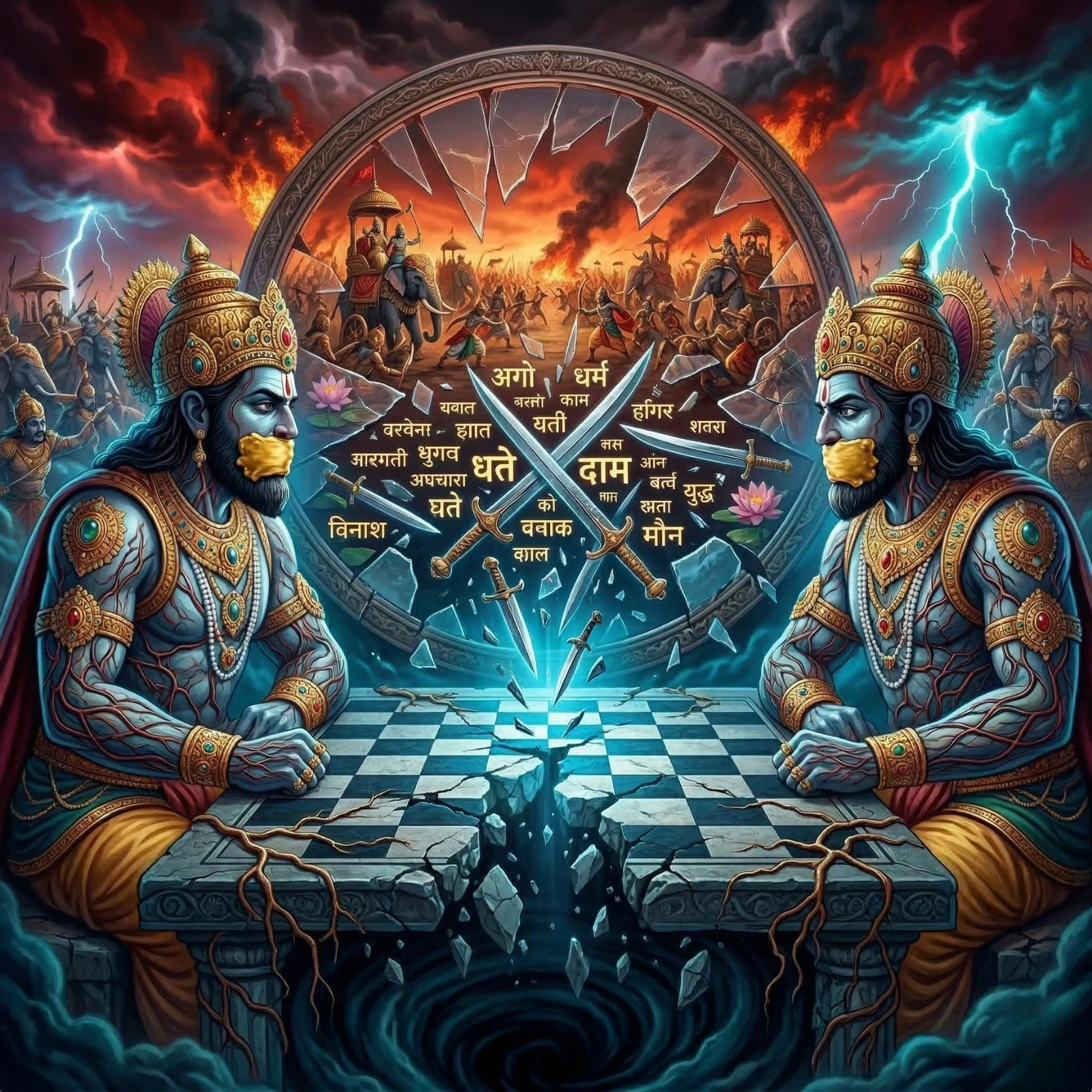
When we use the word “mythology,” it is often because there is no better term in English. But in the Indian context, texts such as the Ramayana and the Mahabharata are not “myths” in the sense of invented tales. They are Itihasa-a word that means “thus it happened.” If not recorded history in the modern sense, they are at least ancient history, with cultural, geographical, and civilizational markers still visible today.
To begin with, this is why language matters. The way we label these epics shapes how we understand them. For a tradition that sees the Ramayana not as fiction but as “lived memory of humankind,” careless translation into “myth,” which AI would also call it, already distorts the meaning.
In the age of AI, this distinction matters. Because when machines retell stories, what they process are words, patterns, and probabilities. What they may miss are layers of meaning, the subtle play of dharma, context, and lived tradition that humans have carried forward for millennia.
When Machines Retell Stories
AI can summarize, rewrite, and remix stories at incredible speed. It can even bring forgotten fragments of Puranic lore or regional folktales to new audiences. This is the promise of mythology in the age of AI-accessibility and reach. A young reader in California or Singapore might encounter a story of Devi or Hanuman for the first time because an AI chatbot framed it in their cultural vocabulary.
But there is also danger. When “meaning-making” is left entirely to machines, several things can go wrong:
- Flattening of complexity: A nuanced Itihasa episode may get reduced to a “moral of the story” style summary, stripping away depth.
- Misclassification: Ramayana might be casually tagged as “myth,” equating it with Greek or Norse legends, ignoring its anchoring in Indian civilizational memory.
- Loss of dharmic context: Dharma is not a rulebook but a lived compass. AI may translate it as “duty” or “law,” missing its layered subtleties.
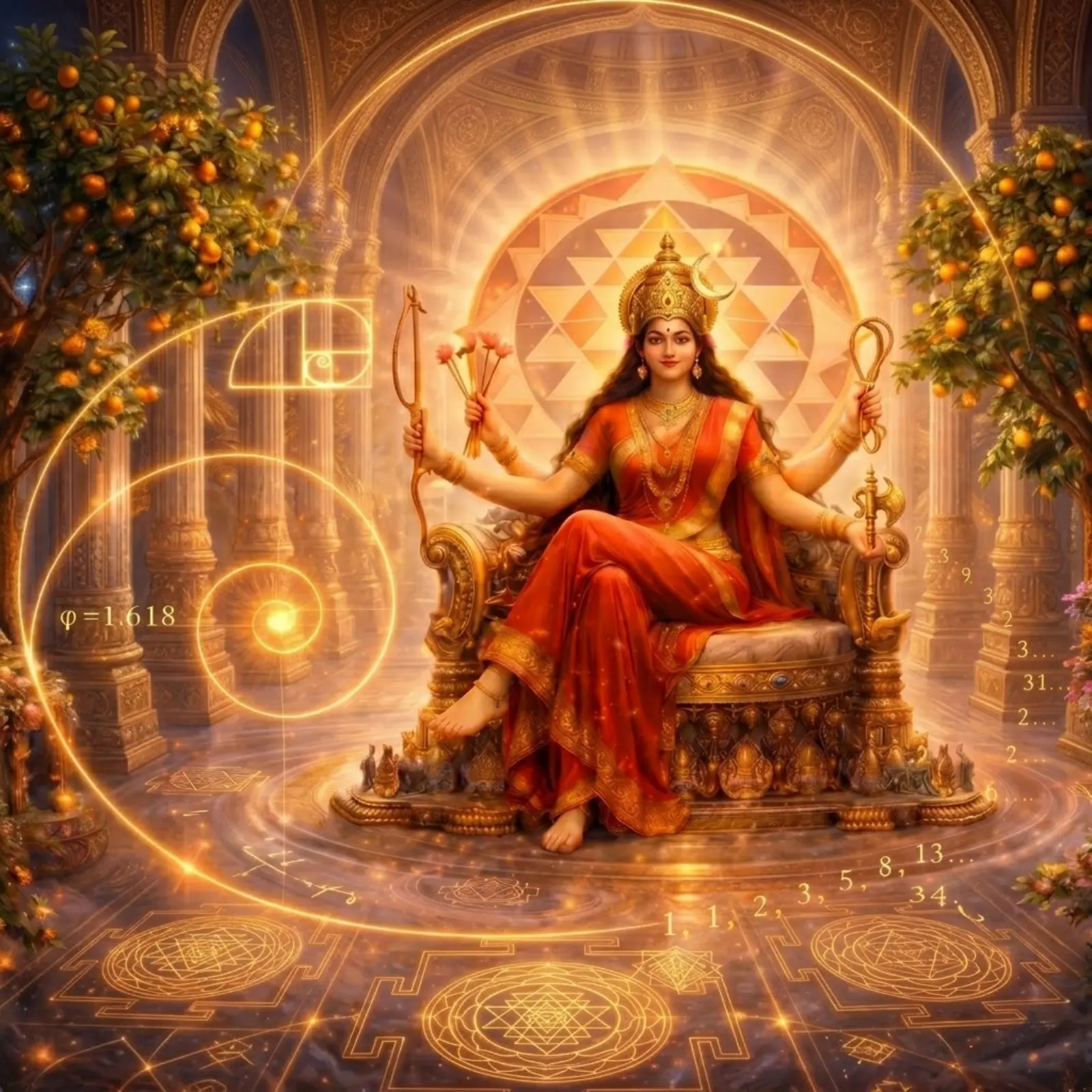
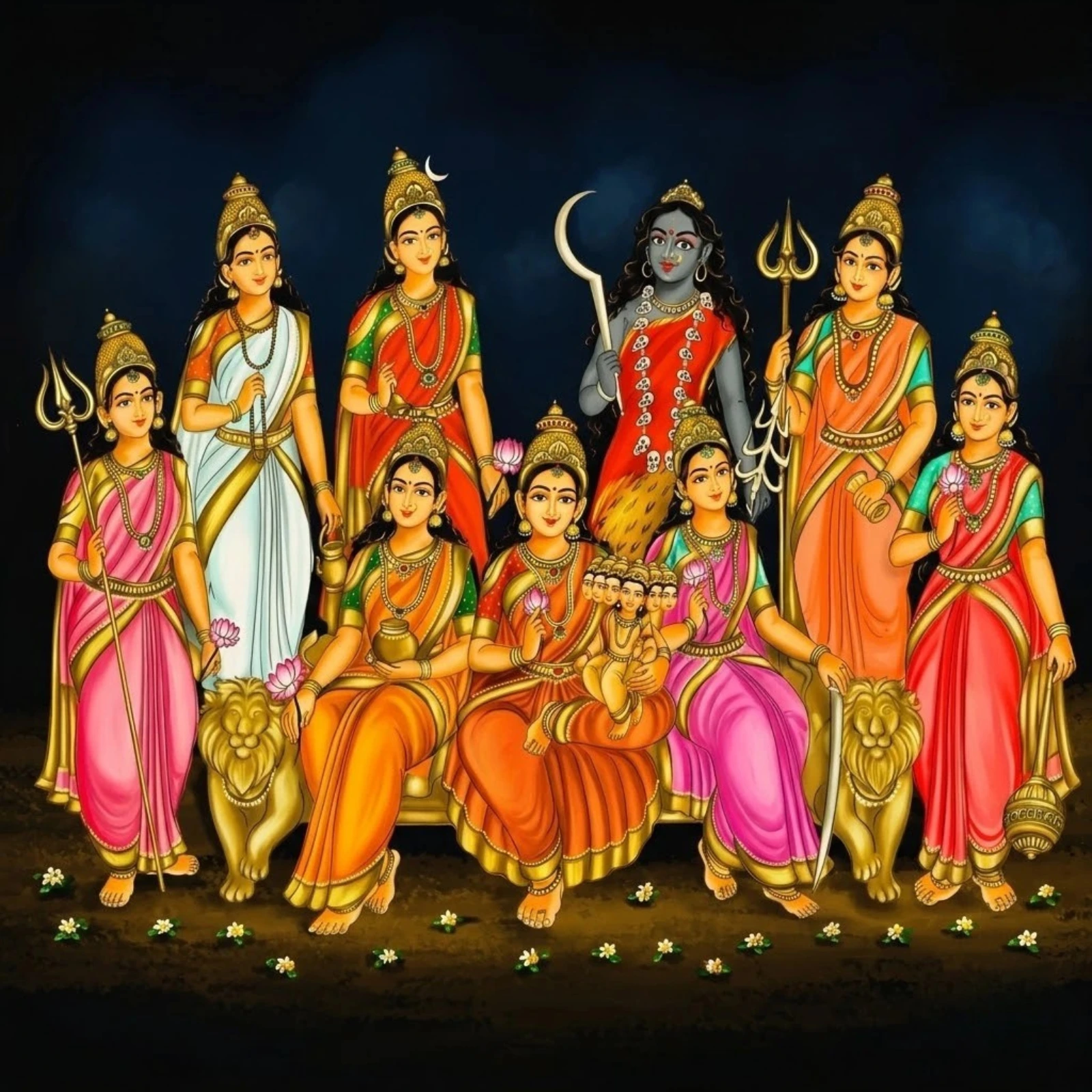
- Cultural mismatch: A retelling might frame Durga merely as a “goddess of war,” erasing her as a mother, protector, beauty, and Shakti.
When AI Gets It Right
AI holds transformative possibilities. Imagine children across the world hearing bedtime stories of Devi or Krishna generated in their own languages, with cultural metaphors adapted to their context. A young reader in Brazil might meet a version of Hanuman infused with Amazonian imagery; a child in Japan might encounter Saraswati alongside Shinto goddesses. AI can bridge accessibility gaps, preserve rare manuscripts through digitization, and even revive forgotten myths by linking scattered references across texts. Far from replacing human storytelling, it can become a powerful assistant, expanding reach, diversity, and curiosity.
AI can also amplify human meaning-making when guided with care:
- Preservation: Thousands of oral folktales, endangered dialects, and ritual songs can be digitized and retold before they are lost.
- Accessibility: Someone unfamiliar with Sanskrit or regional languages can still glimpse the grandeur of Itihasa through AI-assisted translations.
- New connections: Comparative storytelling, placing the Mahabharata alongside Homer or the Epic of Gilgamesh, can spark new global conversations.
The Human Role in the Machine Age
The crucial point is this-AI can retell, but humans must interpret. Itihasa is not merely stories; it is memory, history, philosophy, and lived practice. Without the human voice, the risk is that sacred narratives become just another data set. With the human voice, however, AI can serve as an ally, helping us carry forward ancient truths into new mediums.
In the end, mythology in the age of AI is less about machines taking over and more about how we, as custodians of tradition, choose to guide the machines. Because if we abdicate meaning-making, the stories lose their soul. But if we engage, AI can help ensure that the epics of our ancestors continue to breathe in a digital world.
FAQs
Q1. Why are Indian epics like the Ramayana and Mahabharata not just “mythology”?
They are called Itihasa, meaning “thus it happened.” Unlike invented tales, they carry cultural, geographical, and civilizational markers, making them closer to ancient history than myth.
Q2. How does AI change the way mythology is retold?
AI retells stories by analyzing words, probabilities, and patterns. While this can make stories more accessible, it risks losing depth, the dharma, symbolism, and lived tradition carried by humans for millennia.
Q3. What could go wrong if AI alone shapes mythology in the future?
Without human context, AI could flatten layered traditions into entertainment, mistranslate sacred terms, or erase nuances of dharmic ethics. This may reduce profound cultural texts into mere “myths.”
Q4. Can AI also add value to mythology?
Yes. AI can make vast texts searchable, help preserve regional variations, and create engaging formats (audio, interactive, and visual) for younger audiences. The key is to use AI as a tool, as an assistant, not as a replacement for human meaning-making.
Q5. What is “mythology in the age of AI” really about?
It is about the tension between machine efficiency and human interpretation, ensuring that technology amplifies wisdom instead of diluting it.